
This post is about how to respond when your child gets a bad grade on a report card. How you respond to your child can make all the difference.
School is almost out! It should be an incredible time of year. Only for some kids, it isn’t. If you’re anything like my household, sometimes your kids don’t always get the grades that you thought they would.
Perhaps you’ve known the bad grade was coming for a few weeks. Maybe you just found out when you opened the report card. Now that you know, here’s how to deal with it when your kid comes home with a less-than-stellar grade.
The grade is not about you
We have so many dreams for our kids and high hopes for their futures. We hope one day that they’ll be doctors, lawyers, dentists, engineers, or professors, just to name a few.
When your kid comes home with a bad grade, all that hope comes crashing down. You might feel embarrassed or disappointed.
However, if you find yourself thinking about what “others” will think, stop yourself. You’re headed down the wrong road.
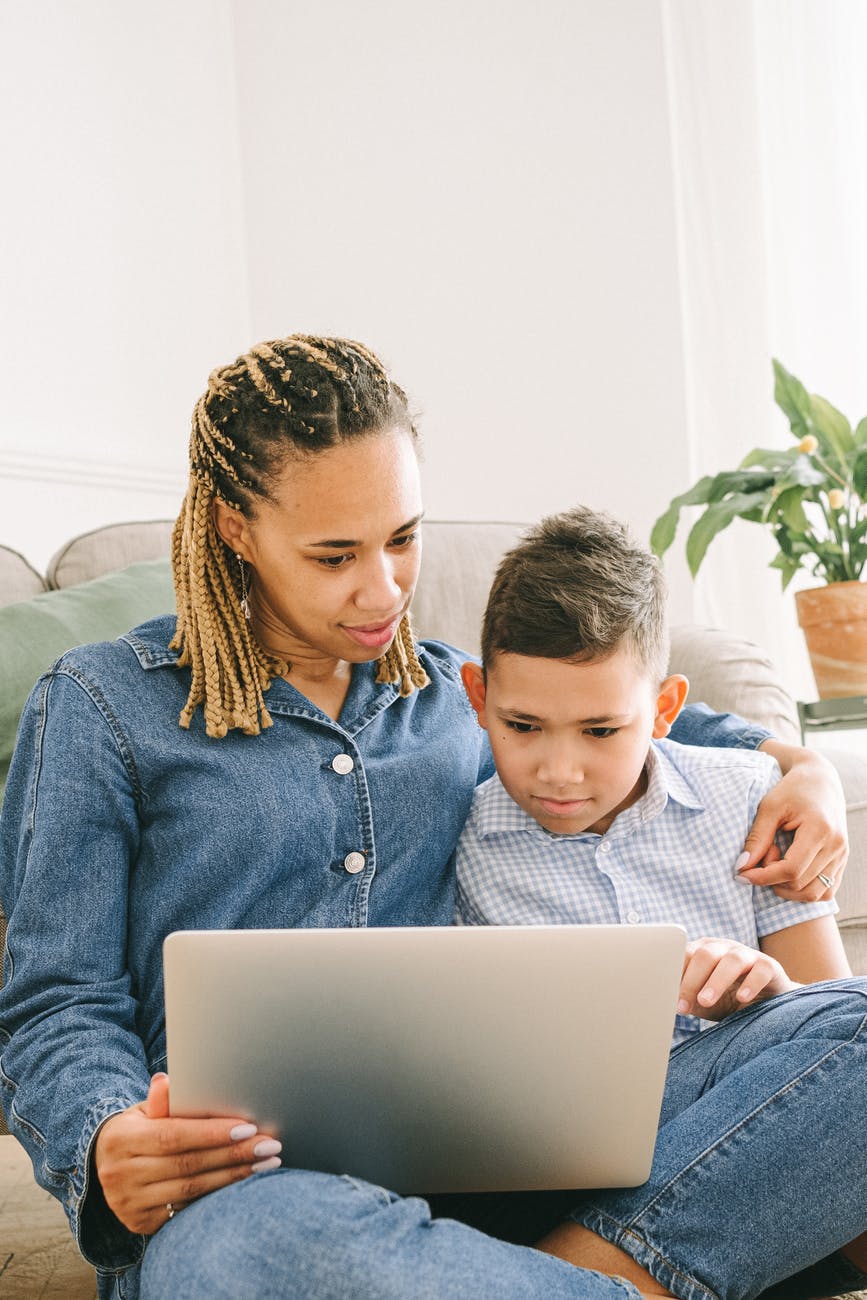
How your child performs today is not, I repeat NOT, an indication of how they will perform in the future. And it is definitely not about you.
Today’s kids have more anxiety than previous generations. And thanks to social media, they are constantly comparing themselves to people they don’t even know.
The last person they want to disappoint is you. They also don’t want to be compared to their siblings or cousins. And they certainly don’t care what your co-workers will think. How you respond to their failure can have a massive impact, both good and bad, on their future performance.
Be Empathetic
Whether it’s their first bad grade or the third, your child is definitely feeling the pain. By now, they’ve known it was coming and have been thinking about what to do about it, what to say about it, and worse, what you are going to say and do about it when you find out.
It’s super easy to get angry, but I encourage you to sit your child down and get ready to have a calm conversation. After asking what happened and why this happened, show some empathy. Let them tell you their side of the story, listen and repeat their thoughts about what happened.
Listen First
At this point, your job is to listen. If you ask too many questions and turn up the heat, your kids will likely shut down. Here are some typical responses that I’ve heard.
- The teacher doesn’t like me.
- The teacher never told me I was doing badly.
- The teacher didn’t teach me anything.
- I didn’t want you to be mad at me.
- I’m not good at (fill in the blank).
I’ll be honest; this is the hardest part of the conversation. When my child’s first bad grade came home, I made too many mistakes.

I’m guilty of yelling (What were you thinking?), accusing (You’re smarter than this!), blaming (You must not have tried hard enough!), and deferring punishment (Wait until your father gets home!).
Believe me when I say that these tactics do not motivate anyone. In most cases, it makes the child feel worse about the situation.
The last thing you want is for your child to start repeating these phrases in their head. It creates negative self-talk that takes years to break.
So, your initial response is critical. If you’re going to really help your kids out of this, you have to put your anger aside, listen, and repeat what they’re saying so they know you are hearing them.
Respond with Empathy
You can also respond with some words of empathy, otherwise known as words everyone wants to hear when they perform poorly.
- That really sucks.
- I can hear that you’re really sad/angry.
- This sounds like a tough year.
- We’ll figure this out.
Ask questions
Okay, you’ve put on your listening ears and are ready to get some real answers. Or rather, the answers that get down to the meat of the bad grade.

I want to remind you that your job here, again, is to listen first and then ask follow-up questions.
Remember that you’re not a lawyer. Your child didn’t commit an actual crime. He just broke a social norm – a norm that so many of us have broken, including me.
Also remember that this isn’t about the teacher, necessarily. Since this is the end of the year, you’re really trying to unpack what happened. Failing midyear is another approach entirely.
Gather information
These initial set of questions will help you unpack your child’s rationale behind the bad grade beyond “the teacher doesn’t like me.”
- Did you do all your assignments?
- Why did you miss some of your assignments?
- What was difficult about some of the work?
- How did you do on your tests?
- Were you allowed make-up tests? Did you take advantage of that?
- Did your teacher talk to you about your grade?
At this point, you should have gathered some good intel. Maybe they did all the assignments and scored poorly on all the listening sections. Maybe they didn’t do a final project. Maybe they bombed the midterm and were never able to come back since the tests were worth 90% of the grade.
Now that you know what happened and why they think it happened, it’s time to make a plan.
Make a plan
Before you make a plan. there are a few questions you need to ask yourself. The answer to the questions depends on their age and how it affects their future.

Is this grade going to affect learning next year?
If your elementary school child received a low reading or math grade, you should consider summer school remediation. You can find free opportunities through the school or the district. Take a look at your city’s recreation classes, too; although you may have to pay a small fee.
There are also plenty of paid tutors who can meet with your child in person or online. Crack open yelp and find local tutoring centers. We also had a great experience with Wizeant, an online tutoring service with tutors all over the world at various price ranges.
Will this grade affect their ability to graduate, culminate, or move on to the next grade level?
If your child is in high school and did not pass Spanish 1 or another graduation requirement, then yes, they are going to need to retake the course.
However, before you choose an online course, make sure your child has the discipline to do the work in a timely manner and on their own. Otherwise, look for an in-person option.
When my son did not pass Geometry during remote learning during the pandemic, he knew being in another online math class was not a good idea. We found a paid in-person geometry class, and I am happy to say that he passed with a B.
Chat with your child about the best option, but also use your own knowledge about how your child could perform. Use the information you gathered from asking questions to determine the best fit.
Is this grade going to affect college acceptance?
Since high school graduation requirements are often different than college requirements, you’ll need to check with the universities that you think your child is considering.
For example, when my son did not pass chemistry (it was a rough year, people), he took an online Earth Science class over the summer to still meet his high school and Cal State requirements.
Later, he decided he wanted to go to college in Washington, and lo and behold, Washington requires that all incoming students meet the CADR requirements, which included chemistry.
He resigned to take chemistry his senior year, but better late than never.
If you ask yourself any of these questions, you can start developing a plan that works for your child. The best advice I can give is not to make assumptions about grade level or college requirements. Do some research before choosing your next step.
Celebrate the wins
While it’s easy to focus on what your child did wrong, it’s best to refocus your energy on your child’s strengths. When I think about my son, I don’t think about his failed courses. I think about his resilience and passion.
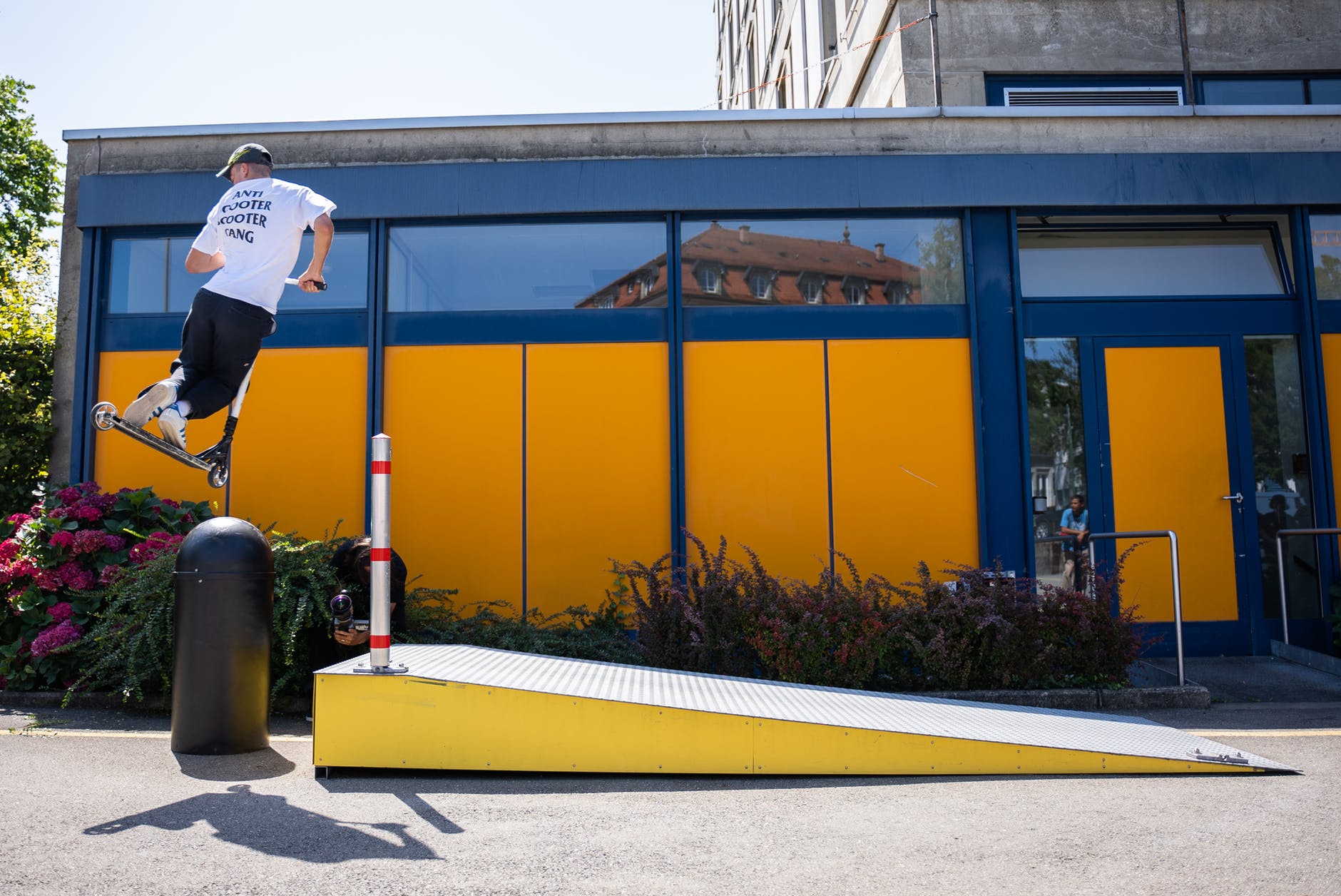
During the Covid shutdown, he wasn’t able to play soccer, so he started surfing and built his own bike surf rack from PVC pipe. After a surfing scare, he developed a passion for scootering and built a scooter ramp for the front yard out of recycled wood from a remodel. Scootering ultimately led to a series of injuries, and while in recovery, he tried a new sport, Kendama. Now he sees himself as a future pro Kendama player.
Although he may not do well in math and sciences, it took me several injuries and a few sports to realize that he can develop a hyper-intense focus on the things he loves.
Will any of these sports get him into college? Probably not. But his resilience will get him through life. And I’ll celebrate that over a bad grade any day.


















 College Collabs